

Investment StrategyRead
Crypto Investing for Beginners: Beyond Bitcoin
Bitcoin, Ethereum, and beyond. Learn how to invest in crypto safely, avoid scams, and allocate wisely in your portfolio.
Mar 31, 2026
10m
Build long-term wealth with proven investment strategies and frameworks.
Bitcoin, Ethereum, and beyond. Learn how to invest in crypto safely, avoid scams, and allocate wisely in your portfolio.

Large caps for stability or small caps for growth? We compare returns, risks, and valuations to help you decide the right allocation for your portfolio.

Are you an NRI looking to invest in Indian markets? Learn about NRE/NRO accounts, tax implications, repatriation rules, and the best investment options for NRIs.

Looking for the best SIP plans in India? We analyzed 2,500+ schemes to bring you the top-performing mutual funds across large-cap, mid-cap, ELSS, and flexi-cap categories.

Buying is easy; selling is hard. Learn how to use Dollar Cost Averaging in reverse to take profits or generate retirement income smoothly.

Different sectors win at different times. Learn how to rotate your portfolio into the right industries based on the business cycle.

Is your portfolio too US-centric? Discover why you need global exposure to reduce risk and capture growth in emerging economies.
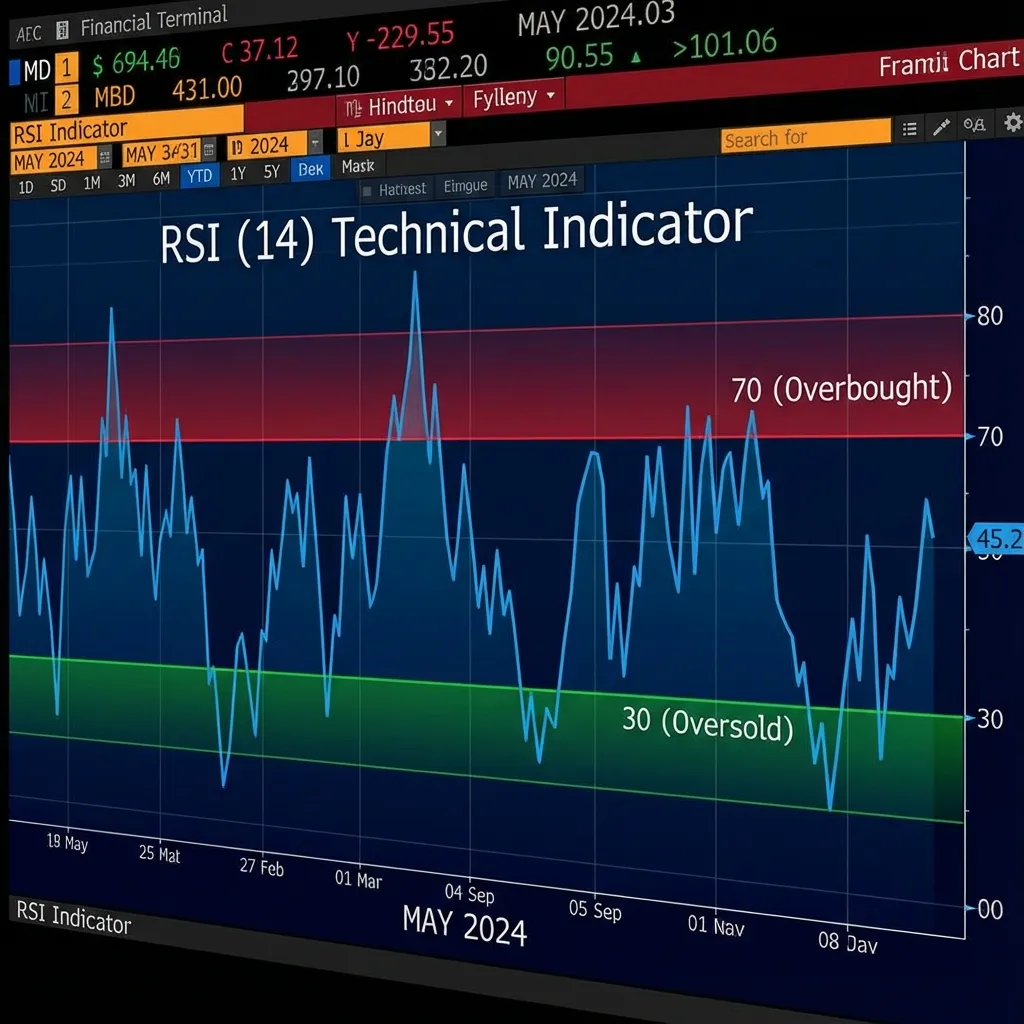
Don't buy at the top. The RSI indicator warns you when a stock is overheated or oversold, helping you time your entries and exits better.

Cut through the noise. Moving averages help you identify the true trend, spot reversals, and find dynamic support levels used by pros.
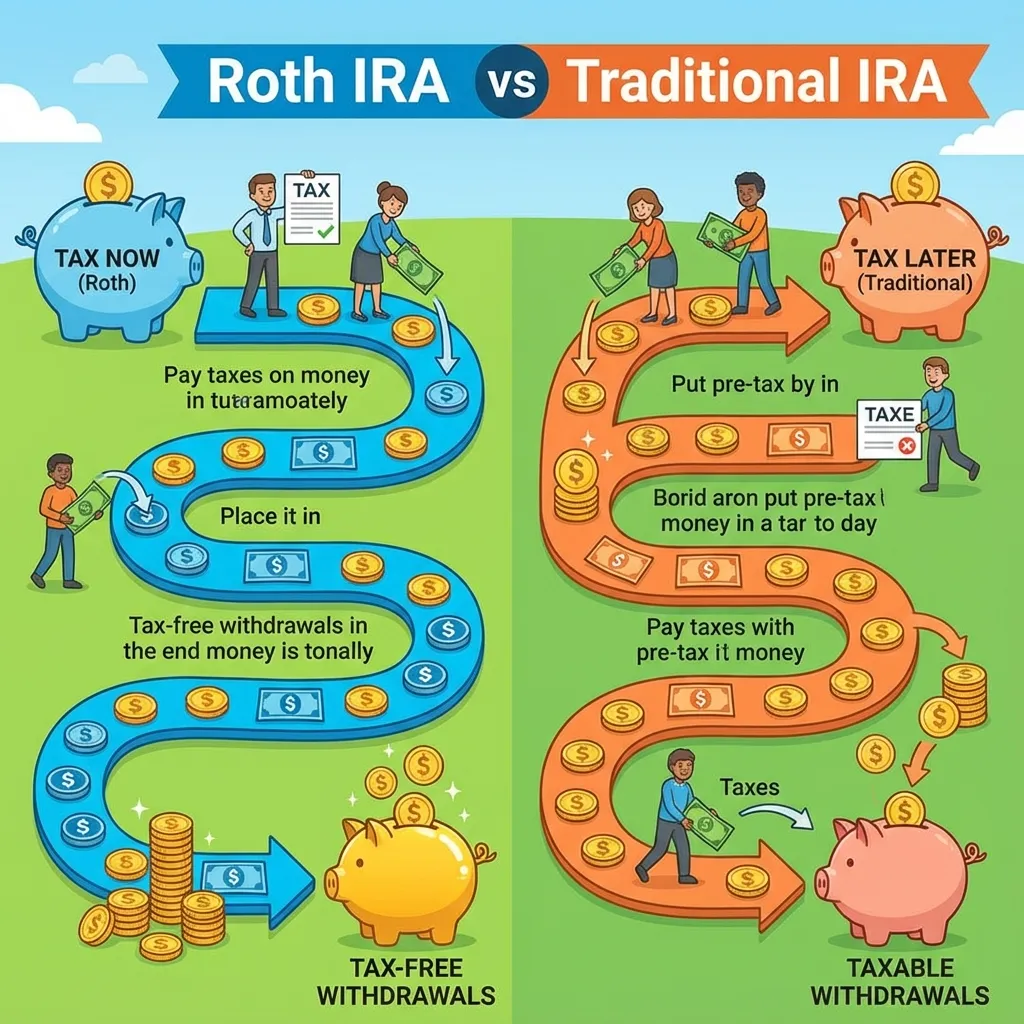
Tax now or tax later? Choosing the right IRA can mean thousands more in retirement. We break down the math to help you decide.
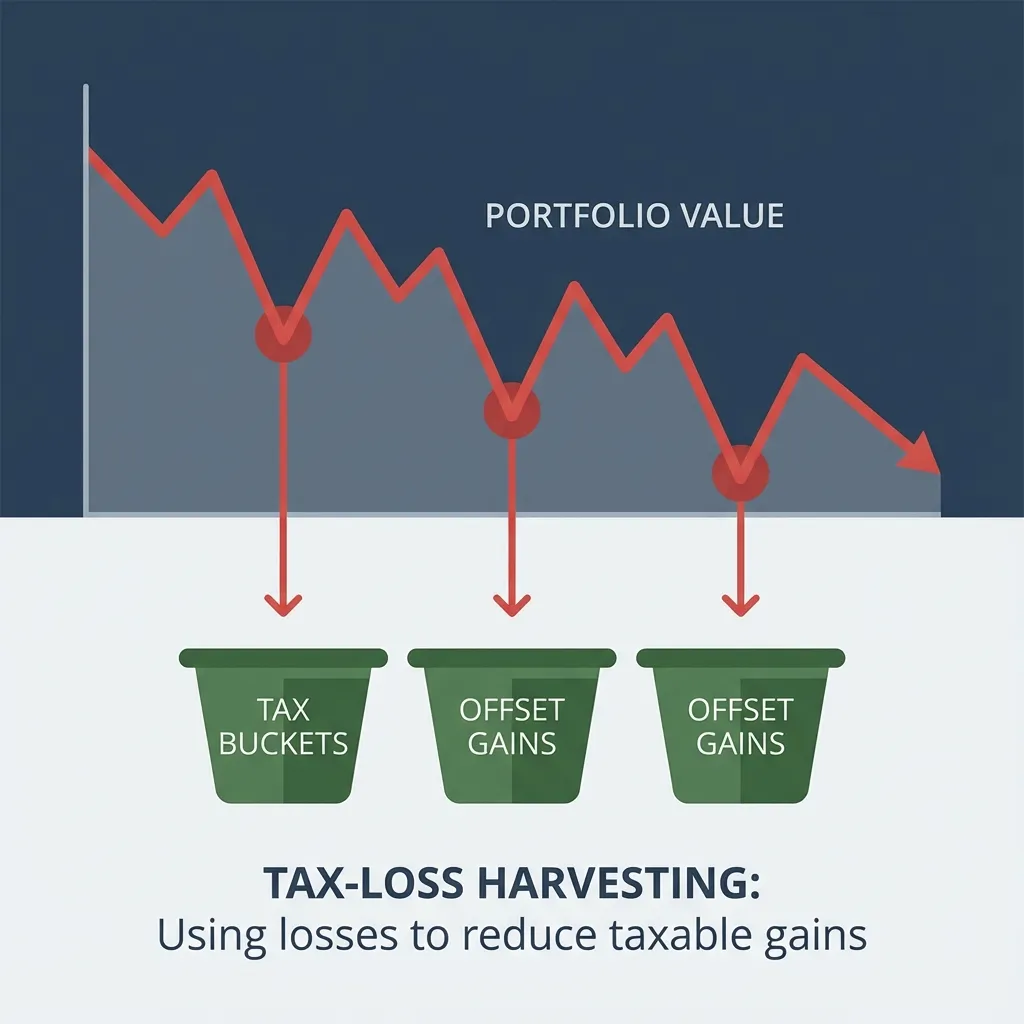
Don't let market drops go to waste. Learn how to harvest losses to offset gains and reduce your tax bill, boosting your after-tax returns.

Don't put all eggs in one basket. Diversification reduces risk without sacrificing returns. Learn how to diversify across stocks, sectors, and geographies.