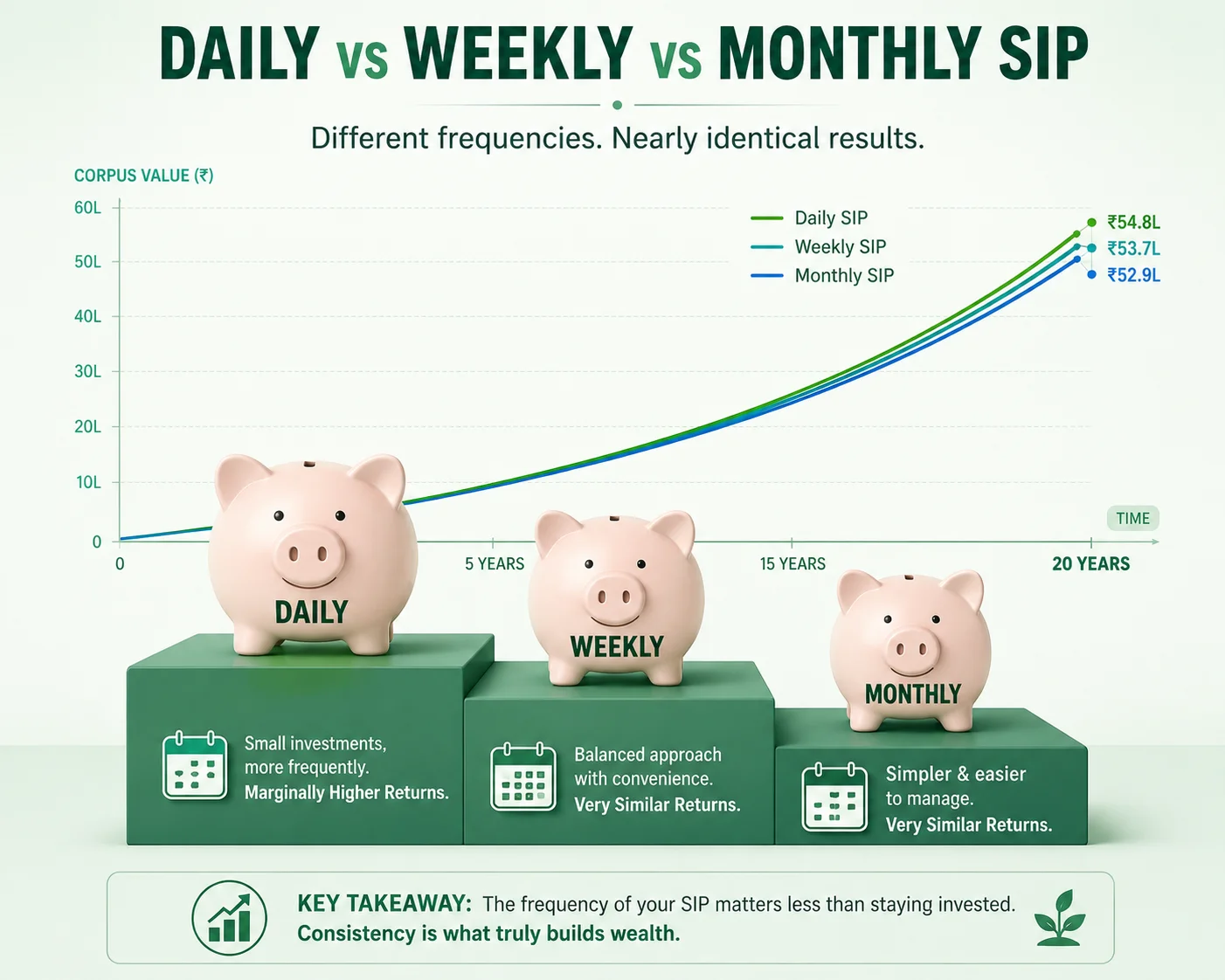
A strategy is not a list of stocks. It is a set of rules that tells you what to buy, how much, how often, and under what conditions you stop — specified tightly enough that you could hand it to someone else and get the same decisions.
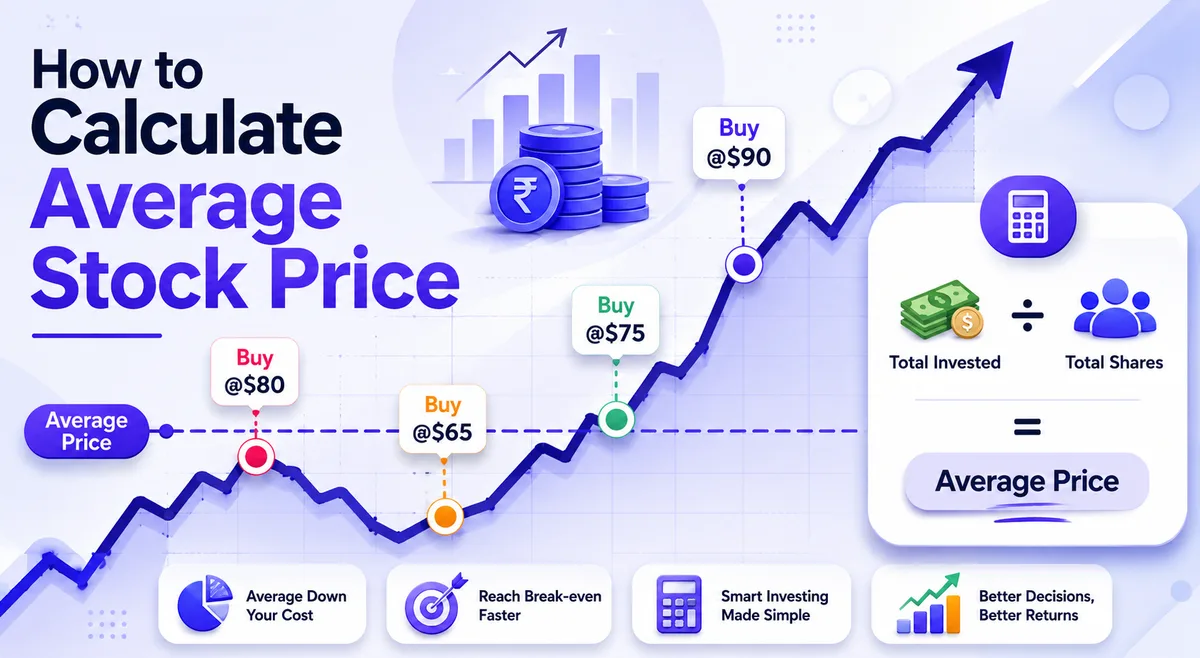
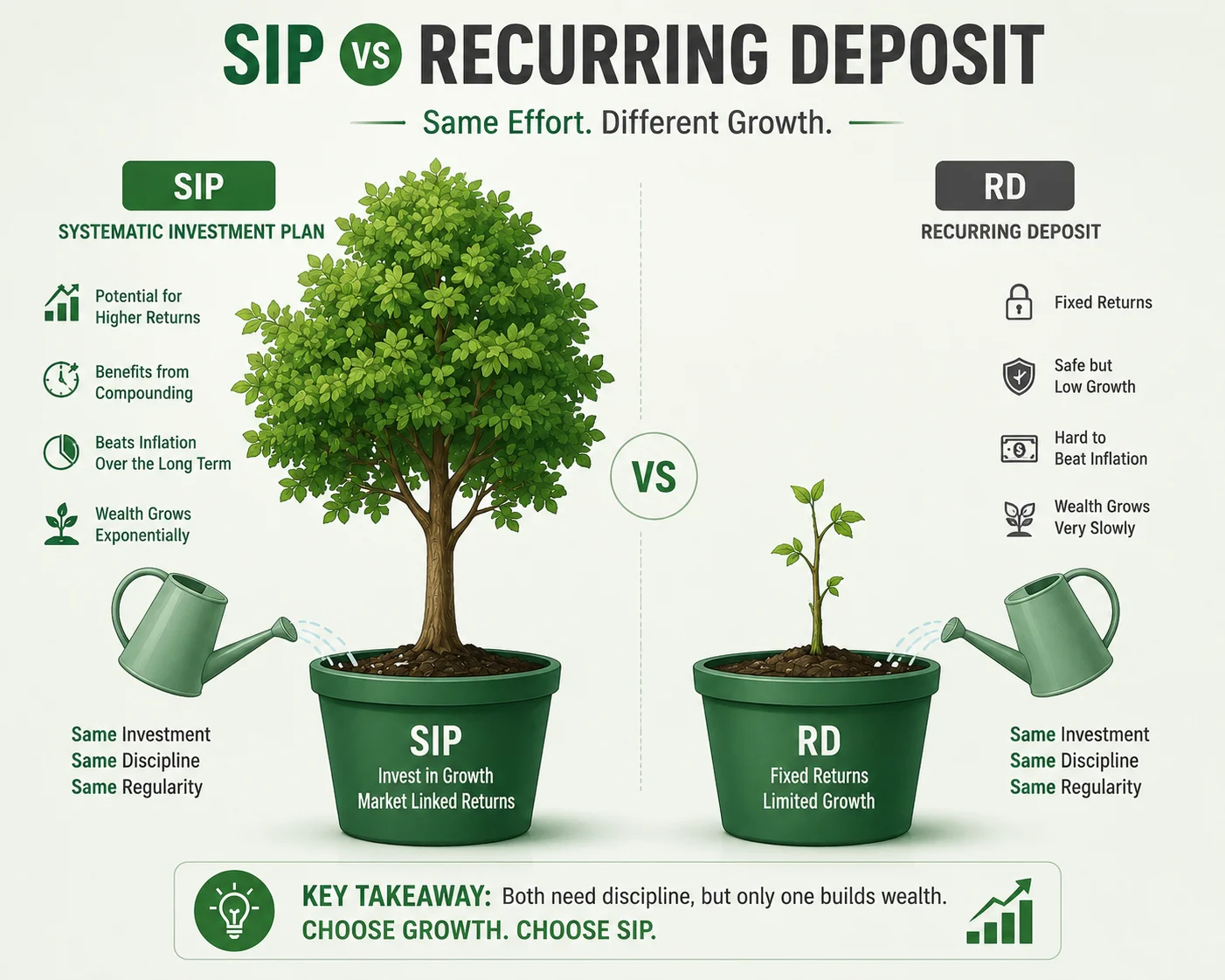
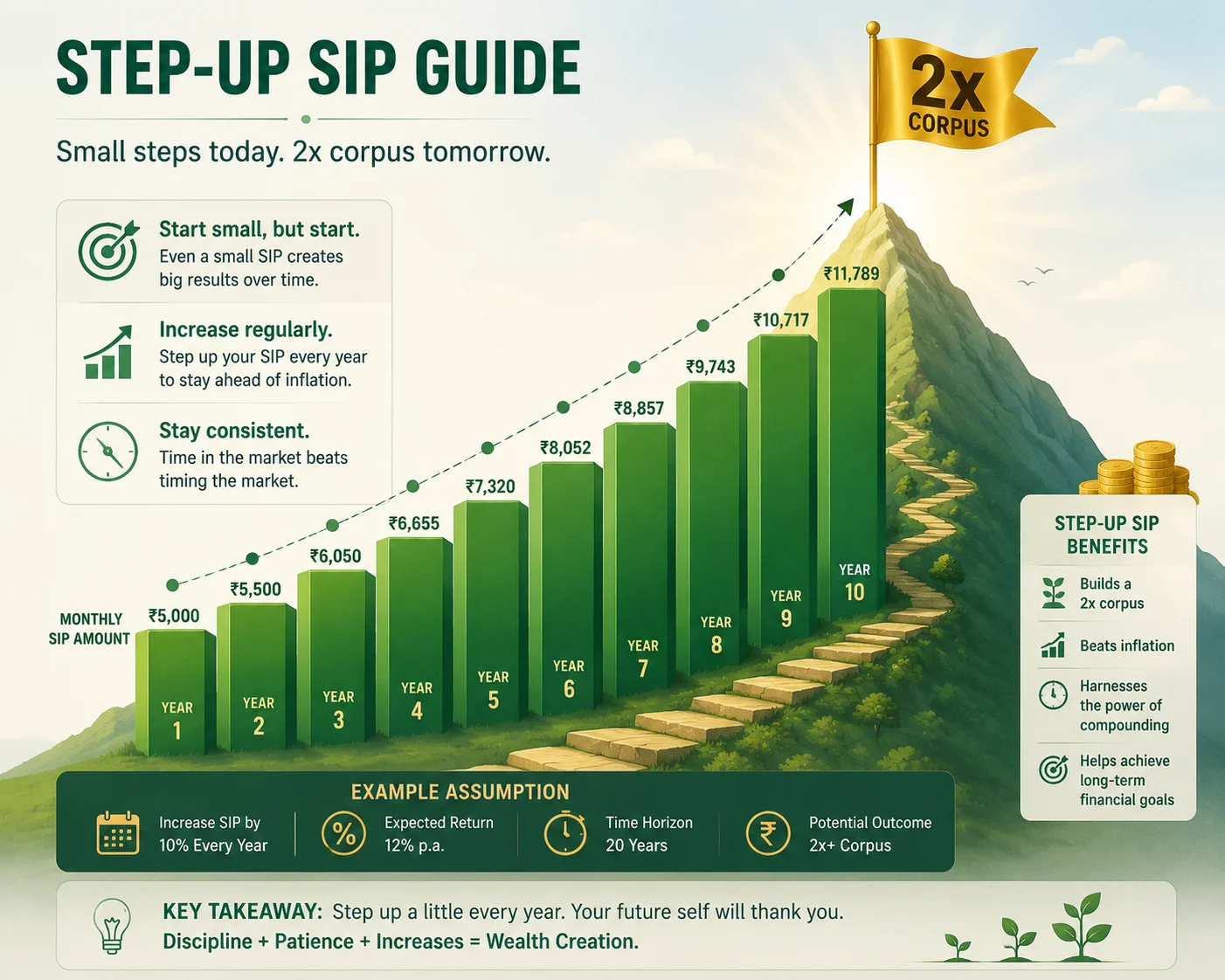
These guides cover the systematic approaches: dollar-cost averaging and SIPs, lump-sum deployment, value averaging, and the selective, conviction-driven case for averaging down. They are not interchangeable. Automatic contribution schedules work precisely because they remove judgement, which makes them ideal for broad index exposure and poorly suited to concentrated single-stock bets. Averaging down is the mirror image: it demands judgement about a specific business, and it fails catastrophically when applied mechanically.
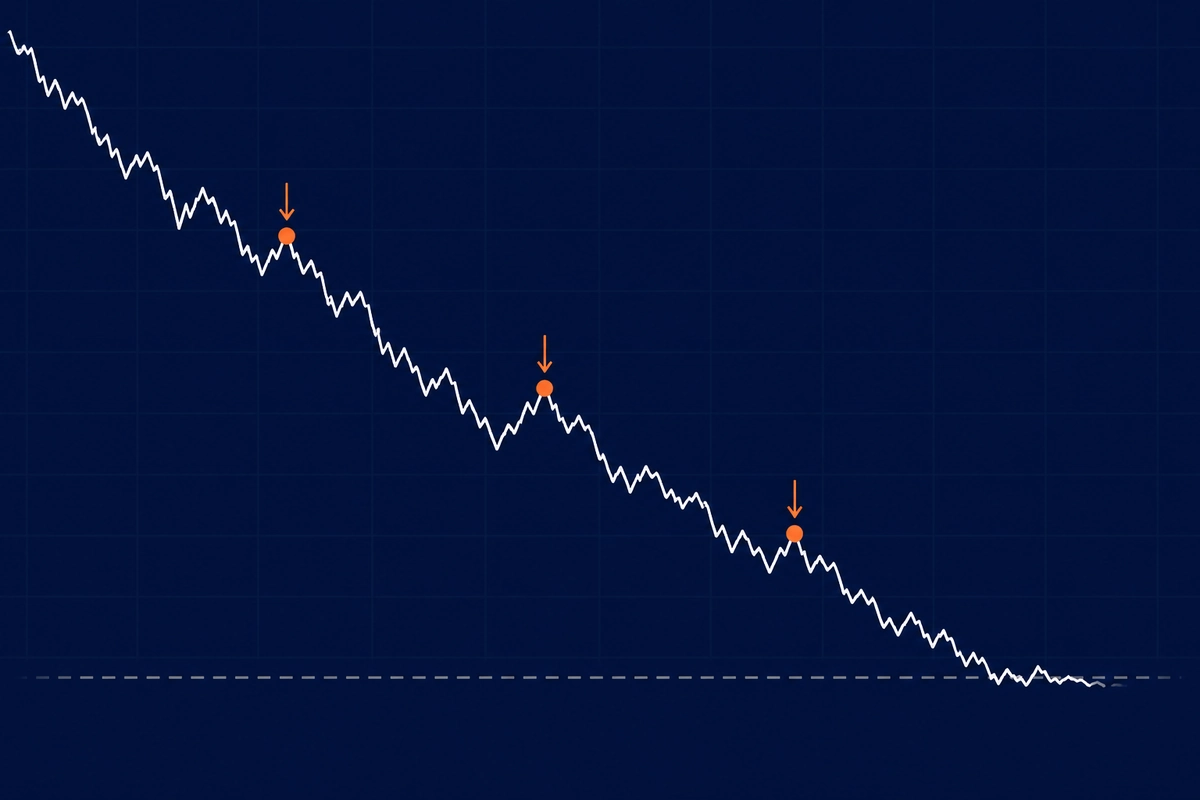
The most common error we see is applying the right strategy to the wrong asset — treating an individual company like an index fund, and buying every dip on the assumption that recovery is inevitable. It is inevitable for a diversified index. It is not inevitable for any single company.