

Financial PlanningRead
How to Read Annual Reports: Financial Statements Explained
Warren Buffett reads 500 pages a day. Learn how to analyze annual reports in just 30 minutes and make smarter investment decisions.
Mar 23, 2026
13m
Expert insights on investment strategies, options trading, and financial planning
Warren Buffett reads 500 pages a day. Learn how to analyze annual reports in just 30 minutes and make smarter investment decisions.

Large caps for stability or small caps for growth? We compare returns, risks, and valuations to help you decide the right allocation for your portfolio.

Are you an NRI looking to invest in Indian markets? Learn about NRE/NRO accounts, tax implications, repatriation rules, and the best investment options for NRIs.

Looking for the best SIP plans in India? We analyzed 2,500+ schemes to bring you the top-performing mutual funds across large-cap, mid-cap, ELSS, and flexi-cap categories.

Is your portfolio too US-centric? Discover why you need global exposure to reduce risk and capture growth in emerging economies.
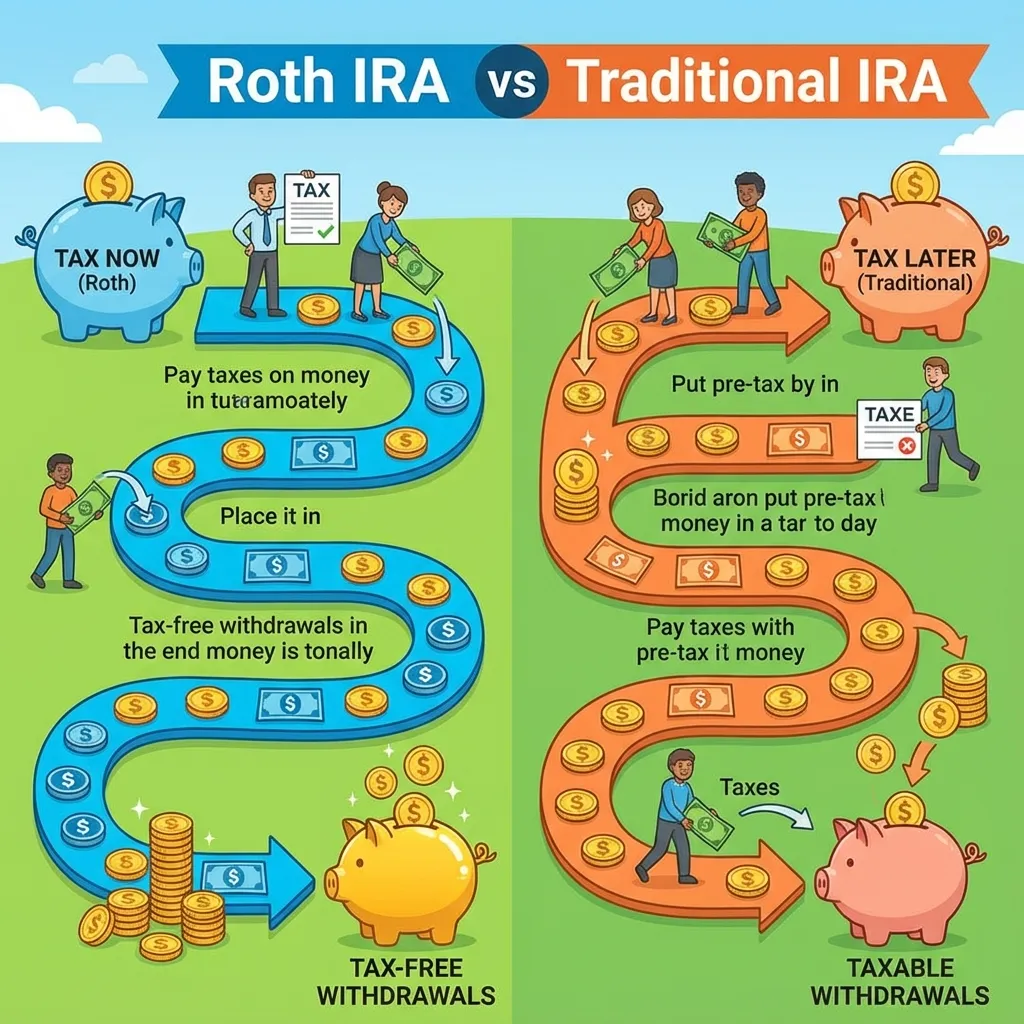
Tax now or tax later? Choosing the right IRA can mean thousands more in retirement. We break down the math to help you decide.
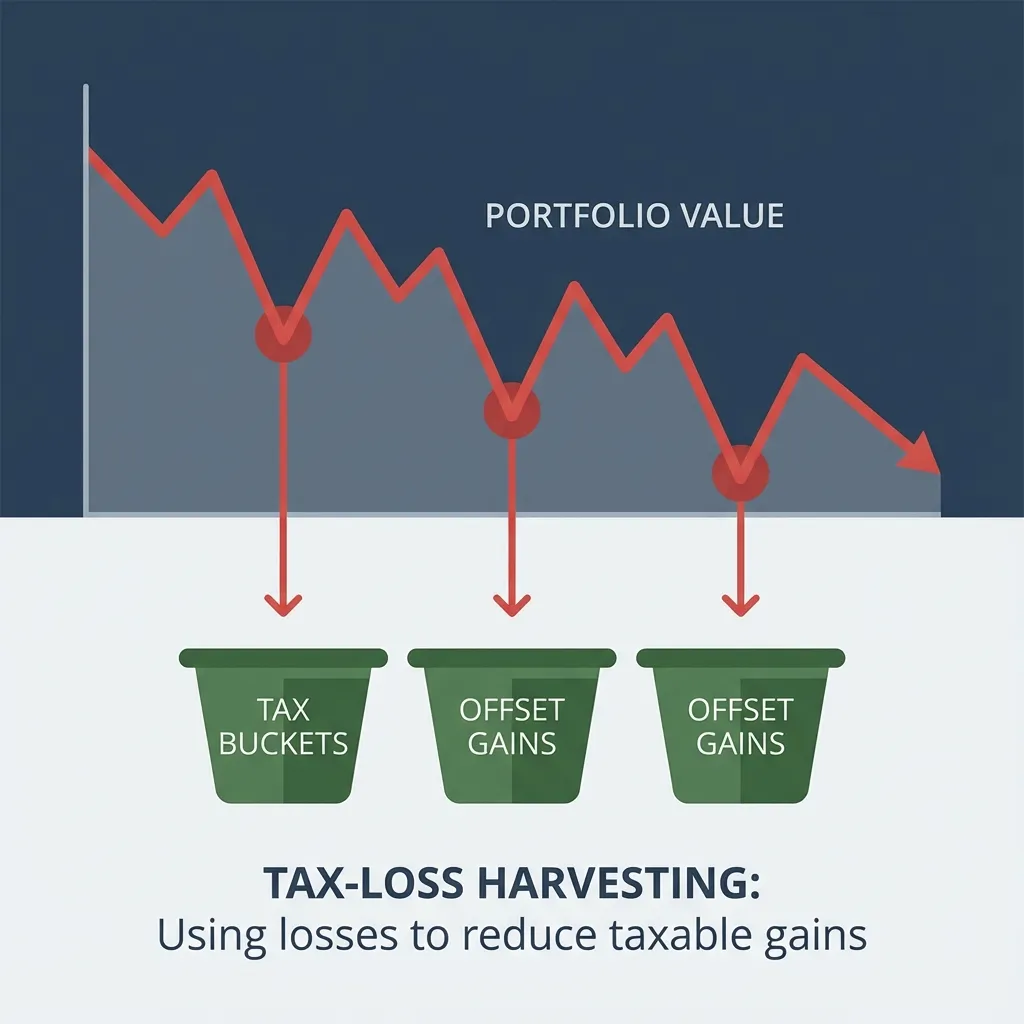
Don't let market drops go to waste. Learn how to harvest losses to offset gains and reduce your tax bill, boosting your after-tax returns.

Don't put all eggs in one basket. Diversification reduces risk without sacrificing returns. Learn how to diversify across stocks, sectors, and geographies.

95% of fund managers underperform the index over 15 years. If professionals can't beat it, can you? Here's the honest truth about stock picking vs index funds.

Stock A trades at ₹1,000. Stock B at ₹100. Which is cheaper? Price means nothing—P/E ratio tells you if you're overpaying. Learn the most important valuation metric.

Stop overthinking. Build a bulletproof DCA portfolio in 5 steps: 70% index funds, 20% international, 10% individual stocks. Set it, forget it, get rich slowly.

Got ₹10 lakh to invest? Lump sum wins 68% of the time historically, but DCA wins psychologically. Here's the data-driven approach to decide.