Dividend Investing: Build a Passive Income Machine
Imagine getting paid every quarter just for owning stocks. Dividend investing turns your portfolio into a cash-generating machine—passive income that grows year after year.
Expert insights on investment strategies, options trading, and financial planning

Imagine getting paid every quarter just for owning stocks. Dividend investing turns your portfolio into a cash-generating machine—passive income that grows year after year.

Stock A trades at ₹1,000. Stock B at ₹100. Which is cheaper? Price means nothing—P/E ratio tells you if you're overpaying. Learn the most important valuation metric.

Want to buy a stock at $95 but it's at $100? Sell a $95 put, collect $3 premium, and either keep the premium or buy at $92 effective cost. Win-win.

Never risk more than 1-2% per trade. This one rule is more important than stock picking, timing, or strategy. Master it and you'll survive any market.

Own 100 shares? Sell covered calls and collect 1-3% monthly premiums. It's the safest options strategy—you can't lose more than if you just held the stock.

Stop overthinking. Build a bulletproof DCA portfolio in 5 steps: 70% index funds, 20% international, 10% individual stocks. Set it, forget it, get rich slowly.

Stock moved your way but your option still lost money? That's IV crush—the 30-70% drop in option value after earnings. Learn how to avoid it or profit from it.

Got ₹10 lakh to invest? Lump sum wins 68% of the time historically, but DCA wins psychologically. Here's the data-driven approach to decide.

Theta is the silent killer of option buyers. Every day you hold an option, you lose money to time decay—even if the stock doesn't move. Here's how to fight back.

RCA is India's version of DCA—invest ₹5,000/month in Nifty 50 and watch volatility become your friend. Perfect for SIPs, stocks, and mutual funds.

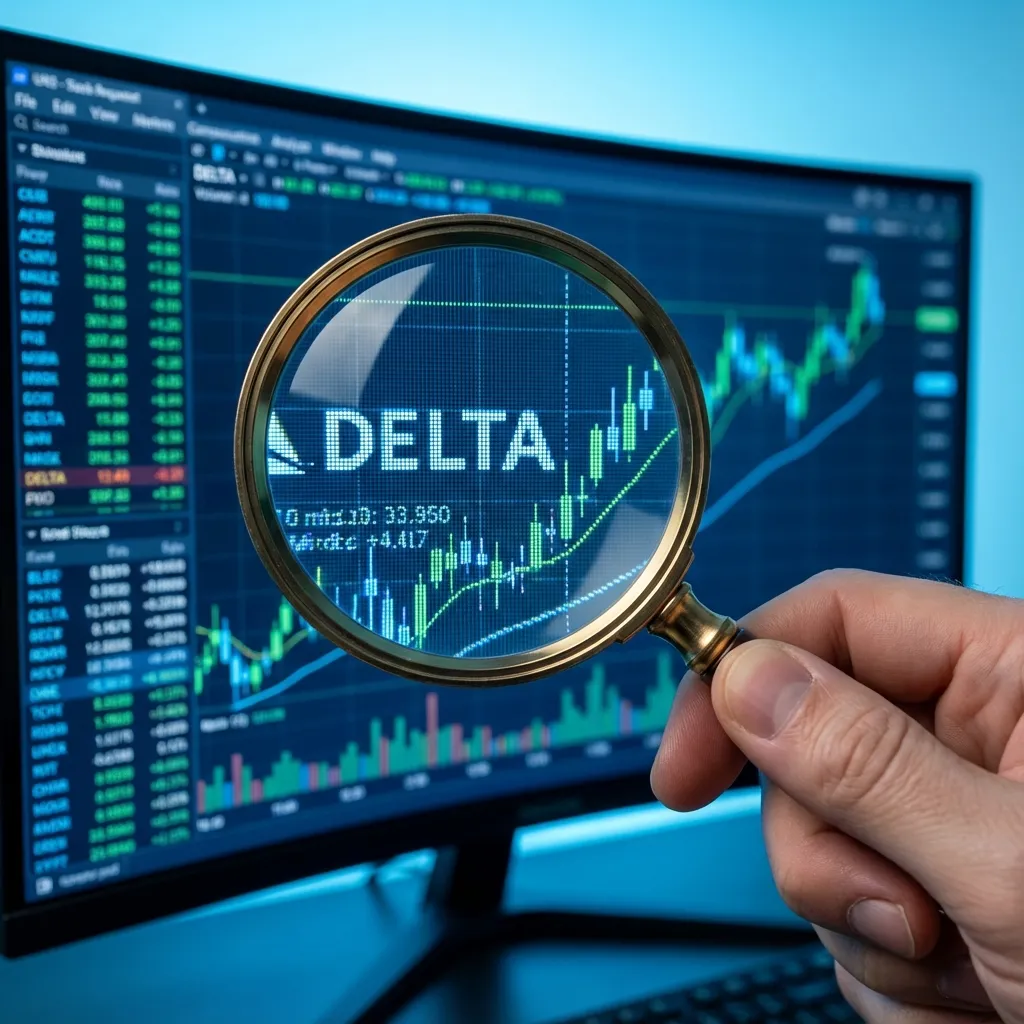
Delta tells you two things: how much your option gains per $1 stock move AND your probability of profit. Master Delta and you'll never overpay for options again.

What if there's a smarter way than DCA? Value Averaging forces you to buy more when prices drop and less when they rise—automatically. See if it's right for you.