

Risk ManagementRead
FOMO Trading: How to Stop Chasing and Start Profiting
Fear Of Missing Out is the #1 portfolio killer. Learn to control your emotions, ignore the hype, and stick to your strategy.
Jan 31, 2026
7m
Page 4 of 6 — expert insights on investment strategies, options trading, and financial planning
Fear Of Missing Out is the #1 portfolio killer. Learn to control your emotions, ignore the hype, and stick to your strategy.

Your brain is hardwired to fail at investing. Learn about loss aversion, confirmation bias, and the psychology that sabotages portfolios.
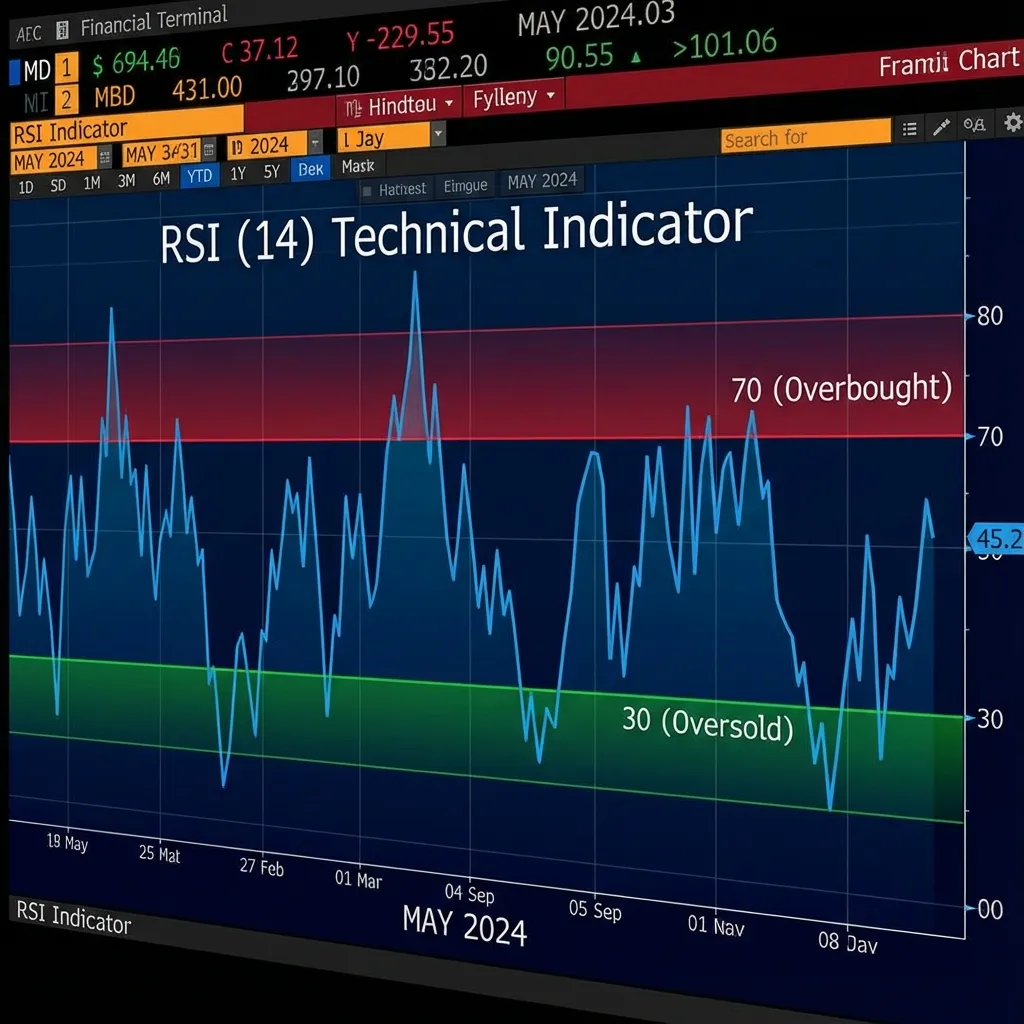
Don't buy at the top. The RSI indicator warns you when a stock is overheated or oversold, helping you time your entries and exits better.
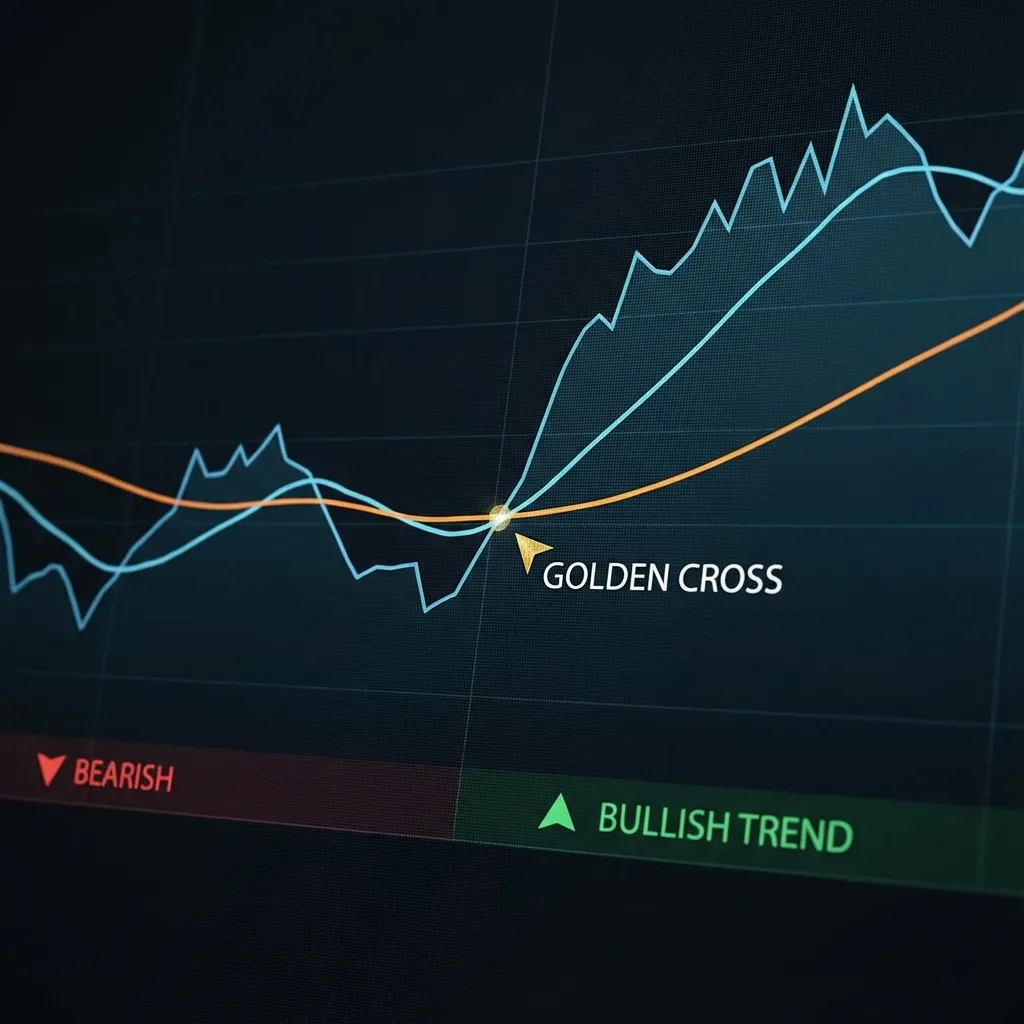
Cut through the noise. Moving averages help you identify the true trend, spot reversals, and find dynamic support levels used by pros.
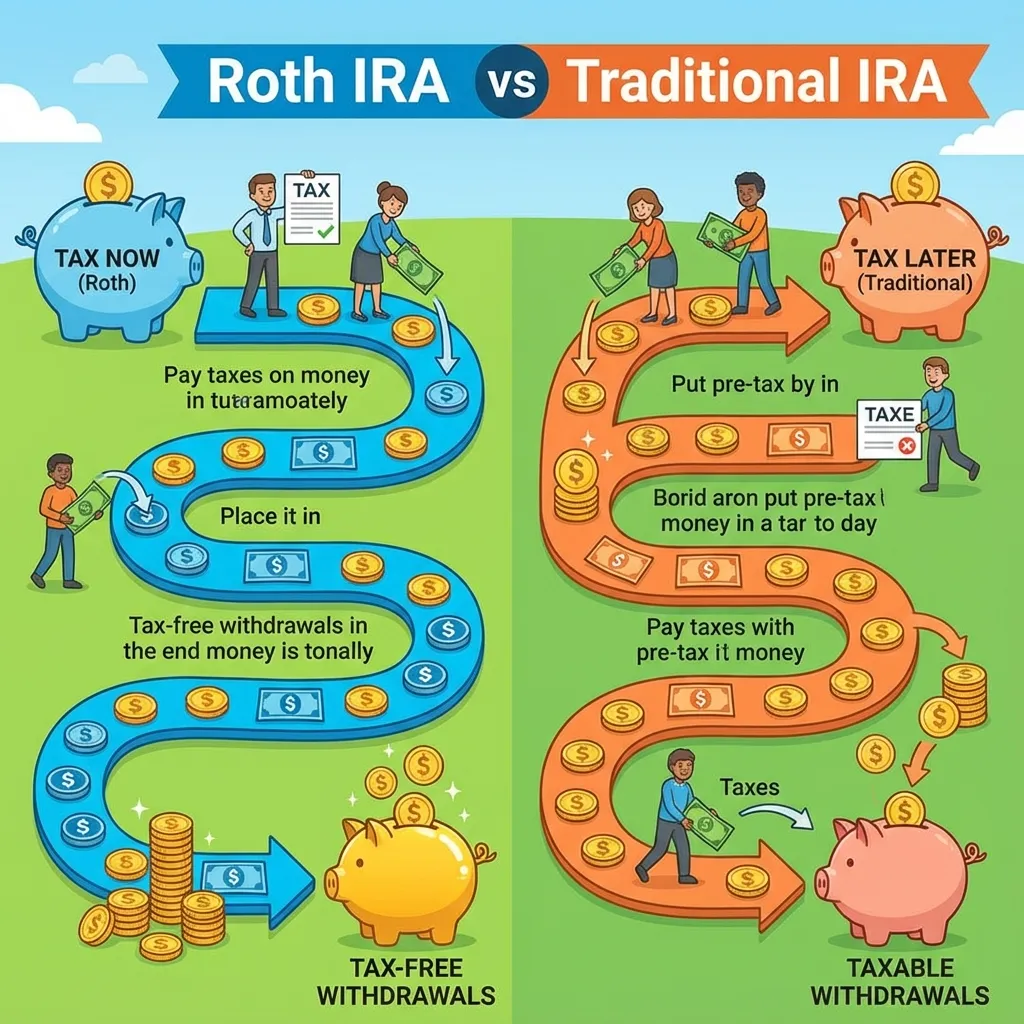
Tax now or tax later? Choosing the right IRA can mean thousands more in retirement. We break down the math to help you decide.
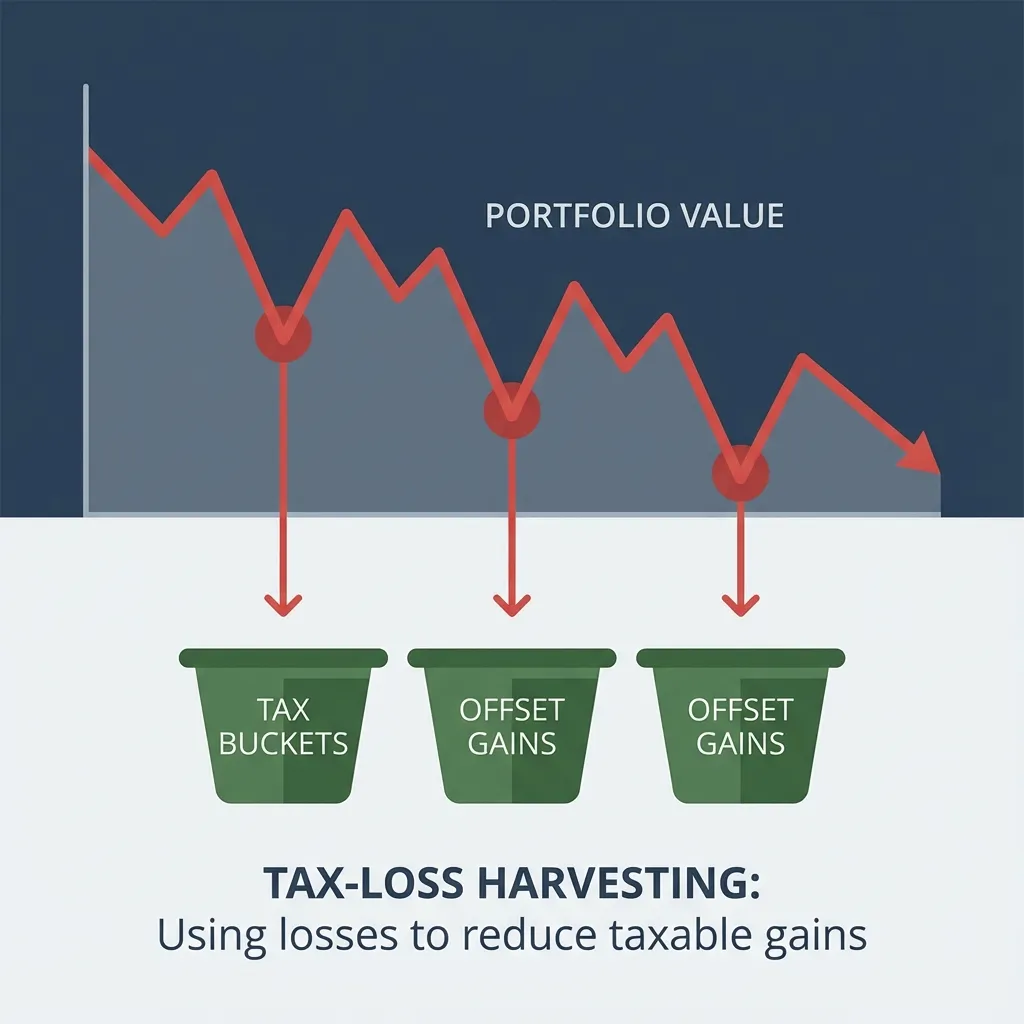
Don't let market drops go to waste. How to harvest losses to offset gains and cut your tax bill — plus the anti-avoidance rules that differ sharply by country: the US wash sale, UK bed-and-breakfasting, Canada's superficial loss, and why India has none.

Make money when stocks do nothing. The iron condor strategy allows you to collect premium in range-bound markets with defined risk.
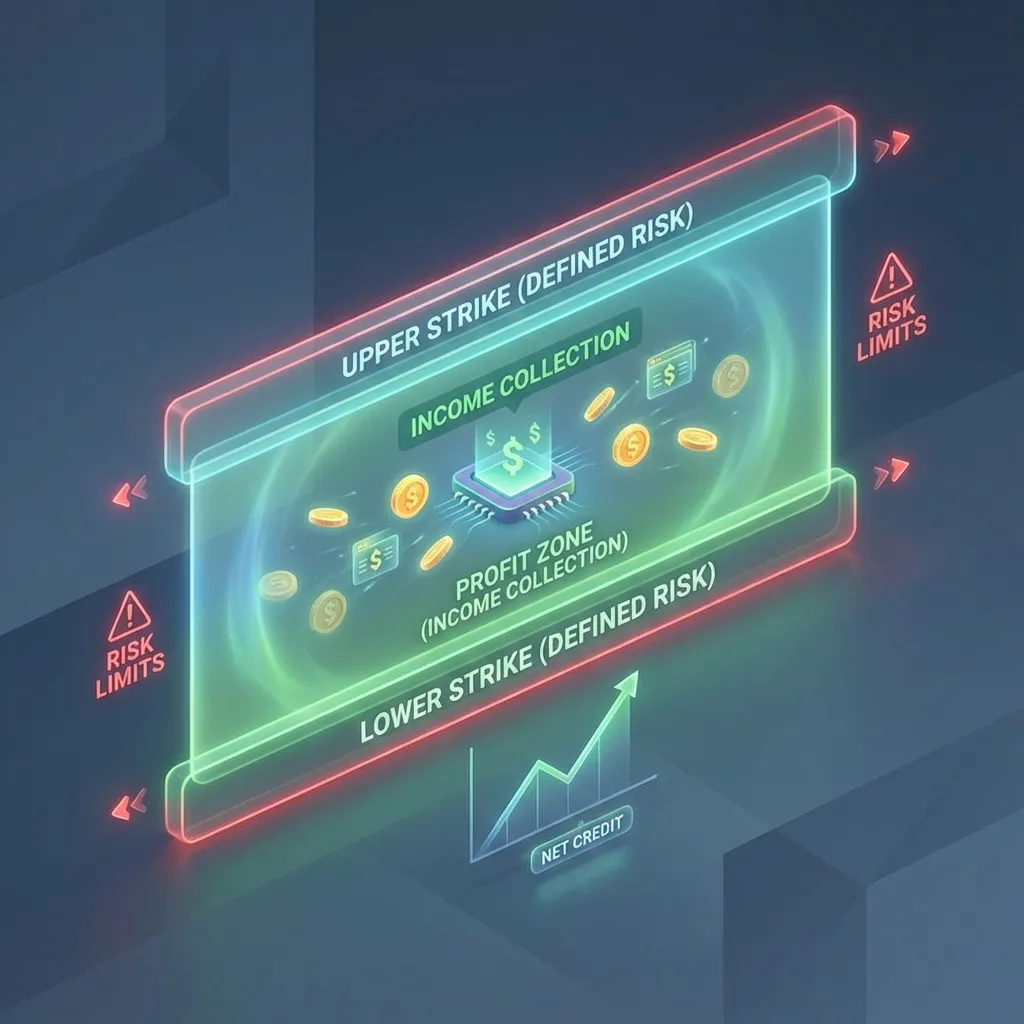
Buying options is expensive and risky. Credit spreads let you collect premium with defined risk—no unlimited losses. Learn bull put and bear call spreads for 65-70% win rates.

Don't put all eggs in one basket. Diversification reduces risk without sacrificing returns. Learn how to diversify across stocks, sectors, and geographies.

How much goes into each stock? Position sizing decides whether you survive a crash or get wiped out — and it matters as much for buy-and-hold investors as for active traders. Includes the 1% rule, ATR sizing, and account tiers in USD, EUR, GBP and INR.

95% of fund managers underperform the index over 15 years. If professionals can't beat it, can you? Here's the honest truth about stock picking vs index funds.

A stock slides from $100 to $70 while you hope for a recovery. A stop-loss at $95 would have capped that at 5%. Where to place stops, why they get hunted, how they differ by market — and what long-term investors should use instead.